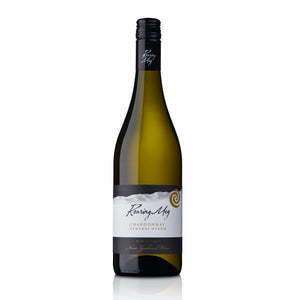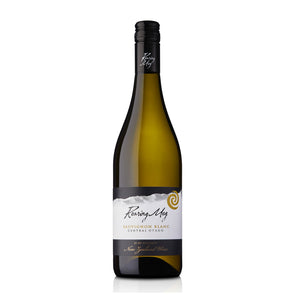
Roaring Meg


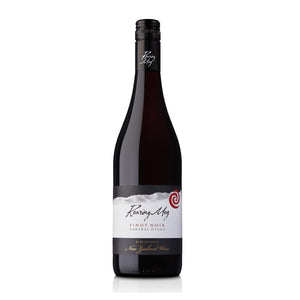
Roaring Meg Pinot Noir 2010

This wine exhibits a lovely mix of dark red cherry and black berry fruits along with a hint of licorice. Further complexity is gained from oak spice. The wine has a sweet berry entry which displays these same characters in abundance. Lovely ripe textural tannins rise gracefully out of the mid-palate to finish the wine. These are balanced by the wine’s acidity and fruit, to produce a long fruit-driven finish.

Cellaring Potential:

Roaring Meg Pinot Noir will improve for 3-5 years given optimal vintage and cellaring conditions.

Vintage 2010:

2010 was a vintage of powerful concentration, with the hallmarks of both a warm and a cool season – ripe dark fruit co-mingled with red fruit and a splash of dried herbs!

It was an odd-ball vintage with warm conditions being over-ruled by ongoing winds and rapidly changing weather systems. Low initial bunch numbers coupled with the climatic variability led to yields being down by about 12% on average. A fantastic autumn helped bring the grapes through their last phase of ripening beautifully. Harvest was the latest we have ever experienced with first fruit not being picked till the 8th April. The blocks which are typically early were late, whilst our later blocks were harvested about their normal timeframe; this led to a very condensed, compacted, busy vintage.

View Accolades


More details |    Order Now


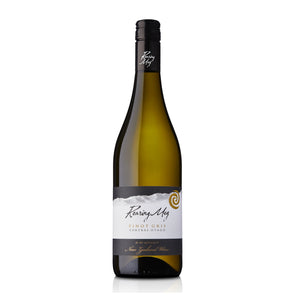
Roaring Meg Pinot Gris 2011

This wine has aromatics reminiscent of a fruit cocktail full of stonefruit, passionfruit and melon. On the palate these are duplicated with lovely rich flavours, a textured mid palate and an off-dry finish.

Cellaring Potential:

Roaring Meg Central Otago Pinot Gris is optimal drinking from release to four years of age.

Vintage 2011:

2011 was not the easiest of vintages – there was a high potential for mediocrity if proper care was not taken at all times in the vineyard and winery. The quality of fruit was very good, provided the right decisions were made. As a style, vintage 2011 has a very different tenor to ‘09 and ‘10 which were all about density and concentration; 2011 is about purity, precision and elegance.

Spring was fantastically settled, almost too good to believe, which led to excellent flowering and fruit set. Spring conditions actually arrived at Christmas, and frequently unsettled weather was the norm right through January and February! Despite this, it was also pretty warm; it was almost too perfect for canopy and bunch development leading to bigger than normal berries, and higher bunch weights as a result. Finally some semblance of normality arrived in March with conditions settling. These settled conditions continued through the balance of autumn, other than one wet spell which highlighted how tender and thin-skinned the berries were this season. In the winery it was a season where the fruit needed empathy, and the direction of the wine was dictated by the fruit.

View Accolades


More details |    Order Now


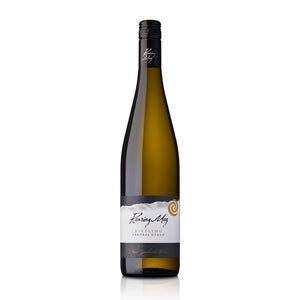
Roaring Meg Riesling 2009

This wine shows excellent concentration of cool climate characters, with citrus and pip fruit blossom aromas: the palate is dominated by bright red apple flavours. The wine is a medium - dry style with a lovely backbone of natural acidity. This wine beautifully displays the elegance and finesse of this versatile and interesting variety. You will be rewarded by careful cellaring.

View Accolades


More details |    Order Now


Roaring Meg Sauvignon Blanc 2011

Warm summer growing conditions have resulted in a concentrated Sauvignon Blanc in a typical Central Otago style. The wine displays gooseberry flavours intermingled with bell pepper and freshly cut hay; this moves into a full mid-palate and then the wine finishes with lingering passionfruit and rhubarb. This wine is ideal for fun-loving, responsible summer drinking.

Cellaring Potential:

Roaring Meg Central Otago Sauvignon Blanc is at its best within three years of release.

Vintage 2011:

2011 was not the easiest of vintages – there was a high potential for mediocrity if proper care was not taken at all times in the vineyard and winery. The quality of fruit was very good, provided the right decisions were made. As a style, vintage 2011 has a very different tenor to ‘09 and ‘10 which were all about density and concentration; 2011 is about purity, precision and elegance.

Spring was fantastically settled, almost too good to believe, which led to excellent flowering and fruit set. Spring conditions actually arrived at Christmas, and frequently unsettled weather was the norm right through January and February! Despite this, it was also pretty warm; it was almost too perfect for canopy and bunch development leading to bigger than normal berries, and higher bunch weights as a result. Finally some semblance of normality arrived in March with conditions settling. These settled conditions continued through the balance of autumn, other than one wet spell which highlighted how tender and thin-skinned the berries were this season. In the winery it was a season where the fruit needed empathy, and the direction of the wine was dictated by the fruit.

Vineyards:

For the first time Mt Difficulty has released a Central Otago Sauvignon Blanc under the Roaring Meg label. Historically Mt Difficulty was not able to source enough Central Otago fruit for Roaring Meg, yet needed to produce a Sauvignon Blanc under the label to fill demand in the marketplace. From it’s inception Roaring Meg Sauvignon Blanc was made from Marlborough fruit, from vineyards chosen by Mt Difficulty winemaker Matt Dicey.

In 2008 Mt Difficulty Wines Ltd purchased and planted over 30 hectares of land on the western side of Lake Dunstan alongside State Highway 8 towards Wanaka. Station Block takes its name from Mt Pisa Station, and is planted in Pinot Noir, Pinot Gris, Sauvignon Blanc and Riesling. 2011 sees the fruition of Mt Difficulty’s investment in the Roaring Meg brand, with the first crop from Station Block.

The soil at Station Block is classified as a high terrace Lowburn gravel, generally considered very suitable for viticulture. This gravel is regular in both physical and drainage properties and is easy to manage soil, low to medium in fertility. 


More details |    Order Now


Home | People | Vineyards | Cellar Door & Café | Wines | Shop | News & History | Accolades | Contact Us | Site Map    Back to Top